How to Tell If It's Working: Real Signs Electrolysis Is Doing Its Job
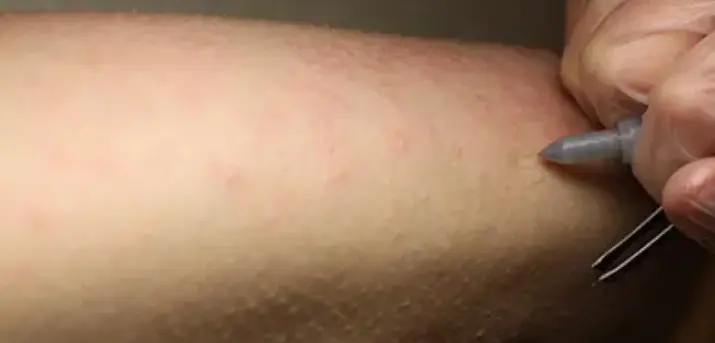
Many people on Staten Island are dealing with unwanted hair. If you've spent a ton of time and money trying to remove hair, only for it to grow back quickly, you might consider the best electrolysis Staten Island offers. Starting electrolysis is a commitment—of time, money, and trust. If you've decided to invest in this permanent hair removal method, you likely want to know: Is it working? And if so, how can you tell?
Because electrolysis is a gradual process, the results don't always scream back at you after the first few sessions. There's no instant "aha!" moment. But there are clear, measurable, and subtle signs that let you know it's doing what it's supposed to do. Knowing and understanding these signs is essential as it can give you a sense of peace when you realize the process is working.
Top Signs Indicating Electrolysis is Working
1. You Notice Hair Growing Back More Slowly
Electrolysis destroys hair follicles with an electrical current, one follicle at a time. The immediate result? The hair in that follicle detaches and slides out. But the long-term result is the inability of that follicle to regrow hair.
After a few sessions, many clients report that their hair grows back more slowly in the treated areas. This means that electrolysis is interrupting the hair growth cycle and reducing the activity of the follicle—even before full destruction happens. If you used to pluck every 2 days and now it's once a week, that's progress.
2. The Hair Looks Thinner or Softer
Another clear, yet often overlooked, sign is a change in hair texture. Many people begin electrolysis with coarse or dark hair, particularly in areas such as the chin, upper lip, or bikini line. Over time, those hairs often come back finer, lighter, or more fragile—until they don't come back at all.
This softening occurs because electrolysis weakens the follicle with each session, gradually making it less capable of producing a strong, robust hair strand. A promising sign that it's working is when the hair is still visible but it appears thinner, finer, or easier to pull out.
3. You see Gaps in Regrowth Patterns
At first, the hair may seem to return in full force between sessions, but if you're starting to notice patches of smooth skin, asymmetrical regrowth, or sections where fewer hairs show up, that's excellent news. These are treated follicles that are no longer functioning.
Electrolysis is a precise process, and most electrologists methodically treat different sections to allow for healing time. So, if your skin starts to feel uneven in terms of hair regrowth—it likely means some areas are permanently cleared. A good indicator of regrowth patterns is when some follicles stop producing hair entirely and others lag behind.
4. You Need to Shave or Tweeze Less Frequently
This one's more emotional than visual. If you realize that you're no longer rearranging your schedule around hair removal, it means electrolysis is working. Whether it's shaving your chin before work or tweezing your bikini line before a trip, fewer of those anxious moments mean your skin is changing.
Many clients also report less visible stubble, smoother skin, and longer intervals between sessions as signs that the hair isn't returning the way it used to. When your daily or weekly maintenance habits are disappearing—without you even trying, you know you're on the right path.
5. You Feel Fewer Ingrown Hairs and Bumps
Ingrown hairs, especially after waxing or shaving, are often caused by sharp regrowth and irritated follicles. Electrolysis destroys the follicle completely, so no new hair = no ingrowns.
In some people, especially those with curly or coarse hair, the disappearance of ingrown hairs is one of the first things they notice. Fewer bumps, less redness, and smoother texture are early wins. Look for a visible decrease in bumps, irritation, or inflammation in formerly problematic areas.
6. You See a Pattern: Progress, Plateau, Progress
Electrolysis doesn't follow a straight line. You may see progress, then hit a plateau where it seems like nothing is changing. This isn't failure—it's your hair growth cycle in action.
The three phases of hair growth areas follows: anagen (active growth), catagen (transition), and telogen (resting). The most effectove phase for electrolysis is anagen when the hair is actively connected to the root. Since not all hairs are in that phase at the same time, some hairs return after sessions—but not because treatment failed.
As time passes and more hairs are treated during their anagen phase, the permanent removal becomes more obvious. The cycle of ups and downs flattens into longer periods of smooth, hair-free skin is what you want to see.
7. Your Electrologist Is Adjusting the Plan
If your provider is tracking your progress, adjusting treatment timing, or shifting techniques (e.g., thermolysis vs. blend method), that's a good sign. It means they're noticing your skin and hair responding, and they're tailoring the process for maximum efficiency. As electrolysis begins to work, treatment will be more customized as sessions progress—because your skin is responding well.
8. The Treated Hair Comes Out Easily During the Session
During treatment, your electrologist should be able to slide the treated hair out without resistance. If it pulls or tugs, the follicle isn't fully destroyed. When hairs come out like butter, it means the current reached the root and did its job.
It's not something you can feel, but your electrologist will notice—and if they're doing a good job, they'll mention it. As time progresses, hair removal during the session becomes smooth and painless, with no pulling or tugging required.
Things That Shouldn't Cause Concern
It's easy to doubt the process if you don't know what's normal, and you may feel discouraged thinking the treatments aren't working. However, several common experiences during electrolysis don't mean failure. Seeing some hair after a session is normal since not all follicles can be treated at once. Scabbing, redness, or swelling are also typical signs of healing and not a cause for concern. If the same area requires multiple sessions, that's part of the gradual nature of electrolysis. And when hairs seem to "grow back," they're often neighboring follicles that haven't yet been treated or hairs that were not in the ideal growth phase. Unless your hair is returning just as thick, dark, and fast several months into treatment, there's a good chance it's working—even if the results aren't immediate.
Final Thoughts: Trust the Process, But Track the Signs
Electrolysis works, but it works with your biology, not against it. That means it's not a one-and-done procedure—it's a journey that unfolds follicle by follicle. The good news? When done consistently by a trained professional, it is effective. Progress in areas such as texture, regrowth frequency, smoothness, maintenance habits, and hair-free patches are all good indicators that the treatments are doing their job.
And most importantly, document your journey. Photos, notes, or even a journal can help you see progress you might otherwise miss.
If you're unsure or concerned, please discuss your concerns openly with your electrologist. A skilled professional will explain what they see happening beneath the surface—and how your skin is responding session by session. Because when it's working, you'll feel it—in your routine, your confidence, and your skin.
If you're interested in smooth, hair-free skin, give us a call today!